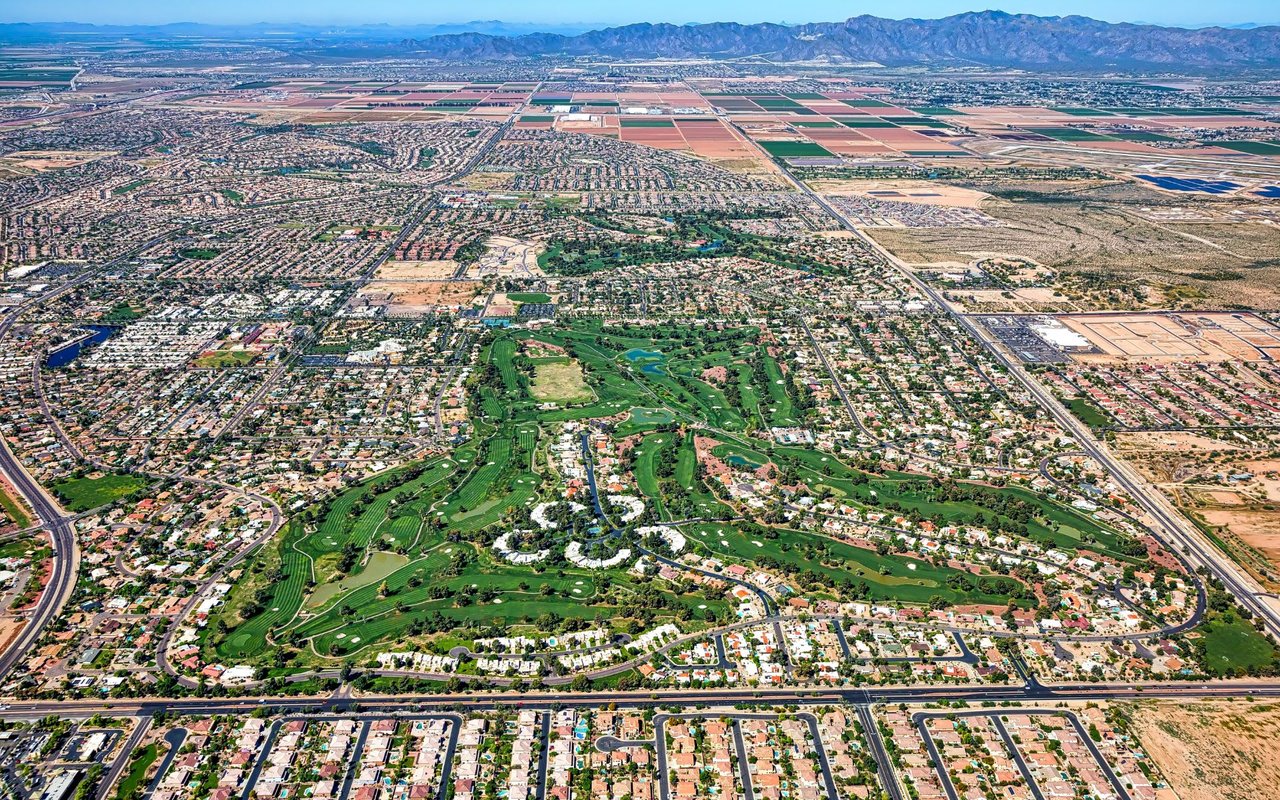
West Valley Phoenix Real Estate
Arizona’s Semiconductor Corridor and One of the Fastest Growing Housing Markets in America
The West Valley of the Phoenix metropolitan area has quickly become one of the most closely watched real estate markets in the United States. Anchored by cities such as Glendale, Peoria, Surprise, Goodyear, Avondale, and Tolleson, this region is emerging as a major center for semiconductor manufacturing, advanced industry, and logistics expansion.
While areas like Scottsdale and Paradise Valley are known for luxury real estate and destination living, the West Valley is increasingly recognized for something different: large-scale economic development and housing demand driven by job growth.
For real estate investors, that combination can be powerful.
LUXURY BUILDERS HAVE DISCOVERED THE AREA: CHECK THIS VIDEO OUT!
The TSMC Semiconductor Corridor
The single most significant economic development project influencing the West Valley is the expansion of Taiwan Semiconductor Manufacturing Company (TSMC) in North Phoenix near the Loop 303 corridor.
TSMC is the world’s largest semiconductor manufacturer and a critical supplier to companies such as Apple, Nvidia, and AMD. The company has committed tens of billions of dollars in investment to build advanced chip fabrication facilities in the Phoenix area.
The broader impact extends well beyond the factory campus itself.
Semiconductor ecosystems attract an entire network of supporting businesses including:
• suppliers and fabrication support companies
• technology firms
• engineering services
• construction and infrastructure companies
• logistics and distribution facilities
Thousands of direct jobs and tens of thousands of indirect jobs are expected to emerge as the semiconductor ecosystem grows across the Valley.
For housing markets nearby, that means new residents relocating for employment, often arriving first as renters before purchasing homes.
A New Manufacturing and Logistics Hub
The West Valley has also become one of the largest centers for logistics and industrial growth in the Southwest United States.
The region benefits from several strategic advantages:
• proximity to Interstate 10 and major freight corridors
• access to the Loop 303 industrial corridor
• large land availability compared with the East Valley
• modern infrastructure designed for large-scale industrial development
Major distribution and manufacturing companies have expanded operations throughout cities like Goodyear, Glendale, and Tolleson, bringing thousands of jobs to the region.
These employment centers are particularly important for housing because industrial and logistics workers typically live near their workplaces, creating strong demand for nearby residential communities.
Housing Demand Follows Job Growth
One of the most consistent patterns in real estate markets is that housing demand follows employment growth.
When a region attracts new employers, the workforce must find housing—often immediately. In rapidly expanding employment corridors like the West Valley, that can lead to:
• rising rental demand
• strong absorption of new housing developments
• population growth in nearby communities
• expanding retail, restaurants, and services
Cities such as Peoria, Surprise, Goodyear, and Glendale have experienced significant population growth over the past decade as new neighborhoods have been built to accommodate this demand.
For investors studying long-term housing trends, the West Valley is increasingly viewed as a growth-driven housing market rather than a purely lifestyle destination.
Entry-Level Housing and Rental Investment
Compared with luxury-focused markets such as Paradise Valley or resort destinations like Scottsdale, the West Valley tends to offer more accessible housing price points.
This creates several investment advantages:
• lower entry prices for rental properties
• strong tenant demand from relocating workers
• newer housing stock in many communities
• expanding infrastructure and retail amenities
Many investors prefer markets where employment growth is still accelerating because rental demand often appears before homeownership demand. Workers relocating for semiconductor manufacturing, logistics, or engineering roles frequently rent during their first several years in a new city.
That dynamic can create a healthy and stable rental market.
Infrastructure and Regional Connectivity
The West Valley’s growth is also supported by major transportation infrastructure, including:
• Interstate 10 connecting Phoenix to California
• Loop 303 providing access to industrial corridors
• Loop 101 linking to North Phoenix and Scottsdale
• expanding freeway infrastructure designed to support population growth
As these transportation systems continue to improve, the West Valley becomes increasingly connected to the broader Phoenix metropolitan economy.

West Valley vs East Valley
Many relocating buyers naturally ask how the West Valley compares with the East Valley.
The difference often comes down to economic drivers.
East Valley
• technology companies such as Intel
• Arizona State University innovation ecosystem
• family-oriented master-planned communities
West Valley
• semiconductor manufacturing expansion
• logistics and industrial development
• large land availability for future growth
Both regions play essential roles within the Phoenix metropolitan economy, but they attract slightly different types of residents and investors.
Why Investors Are Watching the West Valley
Several factors are causing real estate analysts and investors to pay close attention to this region:
• the massive TSMC semiconductor investment
• rapid job creation in advanced manufacturing
• expanding logistics and distribution infrastructure
• population growth across Glendale, Peoria, and Goodyear
• relatively attainable housing compared with luxury submarkets
When employment expansion occurs at this scale, housing demand tends to follow.
For investors looking at the long-term economic trajectory of the Phoenix metropolitan area, the West Valley has become one of the most compelling growth stories in the region.
My Perspective
After more than four decades working in the Phoenix, Scottsdale, and Paradise Valley real estate markets, I have watched the Valley evolve through several waves of growth.
What is happening in the West Valley today is reminiscent of the early growth phases that once shaped the East Valley technology corridor. Large-scale employment investment is arriving first, and housing development is following close behind.
For investors seeking growth-oriented housing markets tied directly to employment expansion, the West Valley deserves careful attention.
Explore More Phoenix Real Estate Markets
To better understand the Phoenix metropolitan housing market, you may also want to explore these community guides:
• Phoenix Real Estate Overview
• Scottsdale Luxury Homes
• Paradise Valley Estate Living
• East Valley Family Communities and Housing
Each of these regions offers a different lifestyle and investment profile within the broader Valley of the Sun.
The TSMC Effect: How Semiconductor Manufacturing Is Reshaping Phoenix Real Estate
The most significant economic development project in Arizona in decades is the expansion of Taiwan Semiconductor Manufacturing Company in North Phoenix.
Often referred to as the “semiconductor corridor,” the area surrounding the Loop 303 and I-17 interchange has quickly become one of the most important advanced-manufacturing regions in North America.
TSMC is the world’s largest semiconductor manufacturer and produces chips used in everything from smartphones and artificial intelligence systems to advanced defense and automotive technology. Major global technology companies—including Apple, NVIDIA, and AMD—depend on semiconductor fabrication plants like these to produce the chips that power modern computing.
The Phoenix investment is massive.
TSMC has committed tens of billions of dollars to build multiple advanced chip fabrication facilities in Arizona. When fully developed, the campus is expected to support thousands of direct high-skill jobs and many thousands more indirect jobs through suppliers, contractors, and support industries.
For the surrounding housing market, this level of employment investment can have a profound effect.
The Semiconductor Ecosystem: Why One Factory Creates Thousands of Jobs
Semiconductor fabrication facilities rarely operate in isolation. When a company like TSMC builds a major plant, an entire industrial ecosystem follows.
This ecosystem typically includes:
• chip packaging and testing companies
• specialty materials suppliers
• semiconductor equipment manufacturers
• engineering and consulting firms
• construction and maintenance contractors
• transportation and logistics providers
These supporting businesses often locate nearby to reduce supply chain risk and improve operational efficiency.
As a result, one large semiconductor campus can generate tens of thousands of regional jobs when the full supply chain is considered.
That workforce must live somewhere.
Housing Demand in the Semiconductor Corridor
One of the most predictable patterns in real estate is that housing demand follows employment growth. When thousands of workers relocate to a region, they need housing immediately—often before they decide where to buy.
In the case of semiconductor manufacturing, the workforce tends to include:
• engineers and technical specialists
• fabrication technicians
• project managers and construction professionals
• supply chain and logistics employees
• administrative and support staff
Many of these workers relocate from other states or internationally, which often creates initial rental demand followed by future homeownership demand.
This is why housing markets located near major employment hubs frequently experience strong rental absorption and long-term appreciation.
Communities in the West Valley—particularly Glendale, Peoria, Surprise, and parts of Goodyear—are positioned to benefit from this employment-driven housing demand.
Why Investors Are Paying Attention
Real estate investors often focus on markets where economic expansion precedes housing demand.
The West Valley is beginning to exhibit many of those characteristics:
• massive advanced manufacturing investment
• thousands of high-salary technical jobs
• supporting supplier companies entering the market
• population growth following employment expansion
• continued residential development to meet demand
When employment growth occurs at this scale, housing markets often experience sustained demand over long periods rather than short-term speculative spikes.
That is one reason the TSMC corridor has attracted national attention from real estate analysts, institutional investors, and developers.
The West Valley’s Strategic Location
The semiconductor corridor also benefits from its location within the broader Phoenix transportation network.
Major infrastructure supporting the region includes:
• Loop 303 industrial corridor
• Interstate 17 connecting North Phoenix
• Loop 101 linking to Scottsdale and the North Valley
• Interstate 10 providing freight access to California and the Southwest
These transportation corridors help connect the West Valley’s growing employment base with the rest of the Phoenix metropolitan region.
Long-Term Housing Outlook
Large semiconductor fabrication facilities are not temporary projects. These facilities typically operate for decades and require continuous upgrades, expansion, and workforce support.
That means the surrounding housing markets often benefit from long-term employment stability, which can create sustained housing demand.
In the Phoenix metropolitan area, this dynamic is already beginning to reshape growth patterns as new residents relocate to Arizona for opportunities within the semiconductor industry.
For investors evaluating long-term housing markets, the West Valley’s role in the global semiconductor supply chain is becoming an increasingly important factor.
My Perspective on the Semiconductor Corridor
After more than four decades working in the Phoenix real estate market, I have seen several waves of economic expansion shape housing demand across the Valley.
The East Valley experienced a similar transformation when technology companies expanded in Chandler and Tempe.
What we are seeing today in the West Valley—driven by the semiconductor industry—has the potential to create another major growth cycle for housing in the region.
For buyers, investors, and families relocating to Arizona, understanding how employment growth influences real estate markets is essential.
The West Valley semiconductor corridor is one of the most significant economic developments shaping the future of the Phoenix housing market today.
Phoenix vs Austin vs Silicon Valley vs Idaho
Comparing America’s Major Semiconductor Growth Corridors
As the global semiconductor industry expands, several regions across the United States are competing to attract chip manufacturing, research, and supplier companies. Today, four major hubs are receiving the most attention:
• Phoenix, Arizona
• Austin, Texas
• Silicon Valley, California
• Boise, Idaho
Each region hosts significant semiconductor activity anchored by major global companies such as Taiwan Semiconductor Manufacturing Company, Intel, Micron Technology, and Samsung Electronics.
However, when investors and relocating professionals compare these markets, several important differences emerge—particularly in housing affordability, cost of living, and long-term growth potential.
Phoenix: America’s New Semiconductor Manufacturing Powerhouse
The Phoenix metropolitan area has rapidly become one of the most important semiconductor manufacturing centers in North America.
The expansion of Taiwan Semiconductor Manufacturing Company in North Phoenix represents one of the largest advanced manufacturing investments in U.S. history. Combined with the long-established presence of Intel in the East Valley, the region now supports a rapidly expanding semiconductor ecosystem.
Several factors make Phoenix particularly attractive to semiconductor manufacturers:
• abundant land for large fabrication facilities
• reliable energy infrastructure
• relatively low natural disaster risk
• business-friendly state policies
• a large and growing workforce
For housing markets, this translates into sustained population growth and expanding demand across multiple areas of the metropolitan region, including the West Valley semiconductor corridor.
Austin: A Mature Technology Market with Rising Housing Costs
Austin has long been one of the nation’s leading technology centers. Major semiconductor operations from Samsung Electronics and NXP Semiconductors operate in the region, contributing to its reputation as a major technology hub.
However, Austin’s rapid growth over the past decade has pushed housing prices significantly higher. Many neighborhoods now face affordability challenges similar to other large technology markets.
While Austin continues to attract technology investment, housing supply constraints and rising home prices have made the region more expensive for new workers relocating into the industry.
Silicon Valley: The Original Semiconductor Innovation Center
Silicon Valley in Northern California remains the historic center of semiconductor innovation. Companies such as Intel, NVIDIA, and many semiconductor design firms originated there.
However, the region’s extremely high housing costs have made large-scale manufacturing expansion difficult. Land constraints and regulatory complexity have pushed many semiconductor companies to locate new fabrication plants in other states.
As a result, Silicon Valley remains the intellectual center of semiconductor design, but much of the industry’s manufacturing growth is now occurring in regions like Arizona and Texas.
Idaho: A Growing Semiconductor Player
Idaho has also emerged as a competitive semiconductor region, largely due to the presence of Micron Technology in Boise. Micron is one of the world’s leading memory chip manufacturers and has announced major expansion projects designed to strengthen domestic semiconductor production.
Boise offers several advantages:
• relatively low cost of living
• access to skilled technical workers
• supportive state economic policies
However, Idaho’s semiconductor ecosystem remains smaller and more concentrated than those in larger metropolitan regions like Phoenix.
For workers relocating into the industry, this means fewer large employers and a smaller supporting supplier network compared with the broader semiconductor ecosystem developing in Arizona.
Why Phoenix Is Gaining National Attention
When analysts compare these semiconductor hubs, Phoenix increasingly stands out for its balance of economic growth, housing availability, and affordability.
Key advantages include:
• massive semiconductor manufacturing investment
• expanding supplier ecosystem
• housing supply across multiple price points
• large metropolitan infrastructure
• strong long-term population growth
Unlike many technology markets where housing costs have surged beyond reach for many workers, the Phoenix metropolitan area still offers a range of housing options—from entry-level homes to luxury estates.
This diversity allows the region to support a large and expanding workforce, which is essential for industries such as semiconductor manufacturing that require thousands of skilled employees.
Real Estate Implications for Investors
For real estate investors evaluating semiconductor-driven housing markets, the Phoenix region presents a compelling combination of factors:
• employment expansion driven by advanced manufacturing
• population growth tied to technology and engineering jobs
• housing supply capable of supporting workforce relocation
• rental demand from newly arriving employees
Communities located near major employment corridors—particularly the West Valley near the TSMC semiconductor campus—are already seeing increased attention from developers, builders, and investors seeking to position themselves in front of long-term growth.
My Perspective
Over the past four decades working in the Phoenix real estate market, I have seen how major employment investments reshape housing demand across the Valley.
The technology expansion in the East Valley helped drive decades of residential growth in cities like Chandler and Gilbert.
Today, the semiconductor investment occurring in the West Valley has the potential to create a similar wave of housing demand in the years ahead.
For investors studying the intersection of technology growth and real estate markets, Phoenix is quickly becoming one of the most important regions in the United States to watch.
Projected Housing Demand from Semiconductor Jobs in Phoenix
How the Semiconductor Industry May Influence Future Home Demand
The expansion of the semiconductor industry in Arizona is expected to influence housing demand across the Phoenix metropolitan area for many years.
Large fabrication facilities require thousands of employees, and the surrounding supplier ecosystem often creates several additional jobs for every direct semiconductor job created. This multiplier effect is common in advanced manufacturing sectors where suppliers, logistics firms, equipment manufacturers, and engineering services cluster near fabrication plants.
The growth of Taiwan Semiconductor Manufacturing Company in North Phoenix represents one of the most significant advanced-manufacturing investments in the United States.
Estimated Workforce Impact
Industry analysts and economic development agencies estimate that semiconductor fabrication facilities typically generate multiple layers of employment:
Direct semiconductor jobs
Highly skilled positions such as engineers, fabrication technicians, manufacturing specialists, and facility managers.
Indirect supplier jobs
Companies that supply materials, equipment, packaging, and specialty components required for semiconductor production.
Induced economic jobs
Additional employment created by population growth, including healthcare, education, retail, restaurants, construction, and local services.
In many semiconductor regions, this multiplier effect can result in two to four additional jobs for every direct semiconductor job created.
What This Means for Housing Demand
When major employers bring thousands of workers into a region, those workers must find housing. In rapidly expanding technology corridors, housing demand typically develops in stages.
Phase 1 — Temporary relocation
Engineers, contractors, and construction managers often arrive first and rent housing while projects are under development.
Phase 2 — Early workforce relocation
Permanent employees begin relocating, frequently renting for one to three years while becoming familiar with the region.
Phase 3 — Long-term homeownership
As the workforce stabilizes, many employees purchase homes near their workplaces or in nearby suburban communities.
This pattern has been observed in other semiconductor regions across the United States.
Potential Housing Demand Estimates
While exact numbers vary, economic modeling can illustrate the scale of potential housing demand created by semiconductor manufacturing.
If a semiconductor campus eventually supports several thousand direct employees and the surrounding ecosystem generates additional jobs, the total workforce impact could reach tens of thousands of workers across the Phoenix metropolitan region.
Assuming typical household formation patterns, that workforce expansion could translate into demand for thousands of additional housing units over time.
Some workers may relocate as individuals, while others arrive with families. Many initially rent housing before eventually purchasing homes, which can create both rental demand and long-term homeownership demand in surrounding communities.
Cities in the West Valley—including Glendale, Peoria, Surprise, and Goodyear—are geographically positioned near the semiconductor corridor and therefore may experience increased housing demand as employment expands.
Rental Market Implications
Historically, large employment expansions often create strong demand in the rental market before homeownership demand develops.
Newly relocated workers often prefer to:
• rent during their first years in a new region
• learn the local housing market before purchasing
• maintain flexibility during early employment transitions
This dynamic can support rental demand in nearby communities, particularly those offering newer housing stock and convenient access to employment centers.
For real estate investors, this early phase of relocation can create opportunities in single-family rental homes and long-term residential investment properties.
Long-Term Regional Growth
Semiconductor fabrication facilities typically operate for decades and require ongoing expansion, maintenance, and workforce support.
This means housing demand associated with these facilities is often long-term rather than temporary, especially as supplier networks and supporting industries continue to expand.
The Phoenix metropolitan region is increasingly becoming part of the global semiconductor supply chain, which could reinforce population growth and housing demand across multiple parts of the Valley.
My Perspective
Having worked in the Phoenix real estate market for more than four decades, I have seen firsthand how major employment investments shape housing demand.
The technology expansion that occurred in the East Valley helped transform cities like Chandler and Gilbert into thriving residential communities.
The semiconductor investment now occurring near the West Valley has the potential to influence housing demand in a similar way as the workforce supporting advanced manufacturing continues to grow.
For buyers, investors, and families relocating to Arizona, understanding the relationship between job growth and housing demand is one of the most important factors when evaluating long-term real estate markets.
#West Valley Phoenix Real Estate
#Phoenix West Valley investment property
#TSMC Phoenix housing demand
#Glendale AZ real estate market
#Peoria AZ homes and investment
#Phoenix semiconductor corridor real estate