How Hospitality Design Is Influencing Luxury Residential Real Estate
Why the principles shaping the world’s leading hotels are redefining how luxury homes are designed, experienced, and valued
Luxury real estate has always followed hospitality.
What is first explored in the world’s most advanced hotels—how people move, feel, rest, and recover—eventually reshapes what buyers expect at home.
Today, that connection is becoming more direct.
Across leading architectural firms and global design research, a clear shift is emerging:
Hospitality design is influencing luxury residential real estate in ways that move far beyond aesthetics—toward performance, wellness, and human experience.
This is the foundation of what is now taking shape in residential environments.
From Destination to Transformation
For decades, luxury hotels were designed around escape—beautiful environments that offered temporary relief from daily life.
Today, that purpose has evolved.
As explored in Gensler’s hospitality research:
👉 https://www.gensler.com/blog/hotel-design-is-no-longer-about-escape-its-about-transformation
The focus has shifted from destination to transformation.
The question is no longer:
Where are you going?
It is:
How does this environment improve how you live while you are there?
Hotels are now intentionally designed to:
- Improve sleep and recovery
- Reduce stress and cognitive load
- Support clarity and overall well-being
These same expectations are now influencing luxury residential design trends.
Designing Beyond What Photographs Well
Another major shift in hospitality design is the move beyond visual impact.
As detailed here:
👉 https://www.gensler.com/blog/why-the-most-memorable-hotels-are-designed-for-all-the-senses
The most memorable environments are those that engage all the senses—not just what looks impressive.
This includes:
- Light calibrated to circadian rhythm
- Airflow and connection to the outdoors
- Acoustic comfort and quiet
- Materials that feel natural and grounded
This represents a transition from aesthetic design to experiential design.
In residential real estate, buyers are increasingly able to distinguish between a home that photographs well—and one that lives well over time.
Belonging and Human-Centered Design
Hospitality and workplace design are also introducing the concept of belonging as a measurable outcome.
Gensler explores this here:
👉 https://www.gensler.com/blog/belonging-is-the-new-currency-for-workplace-design
Spaces are now evaluated based on whether they create a sense of:
- Ease
- Comfort
- Connection
This is influencing luxury residential real estate in a meaningful way.
A home is no longer expected to simply impress—it is expected to feel aligned with the individual living within it.
Closing the “Experience Gap”
Another key concept emerging from design research is the “experience gap”—the difference between what a space is designed to do and how it is actually experienced.
👉 https://www.gensler.com/blog/closing-the-experience-gap-neurodiversity-workplace
This insight is shaping how environments are designed to support:
- Different sensory needs
- Cognitive comfort
- Inclusive living experiences
In residential real estate, this reinforces a critical idea:
Homes must perform across real human experience—not just design intention.
From Hospitality Design to Luxury Homes
The connection between hospitality design and residential real estate is now clear.
- Wellness-driven environments
- Multisensory design
- Natural materials and environmental response
- Spaces calibrated for how people actually live
This is not a trend—it is the next evolution of luxury residential design.
What This Means for Buyers and Investors
As hospitality design continues to influence residential real estate, the market is responding:
- Buyers are prioritizing experience over appearance
- Homes designed for wellness are commanding stronger positioning
- Thoughtfully designed environments are standing apart
This is not speculative—it is already shaping luxury residential design trends.
A New Definition of Luxury
The most valuable homes of the next decade will not be defined solely by location or design.
They will be defined by how precisely they support human experience.
Hospitality design is no longer separate from residential design.
It is defining it.
Final Thought
Luxury is evolving.
Not toward more—but toward better.
Better environments.
Better experiences.
Better ways of living every day.
And increasingly, that is exactly what buyers are seeking.
Featured Properties in Scottsdale & Paradise Valley
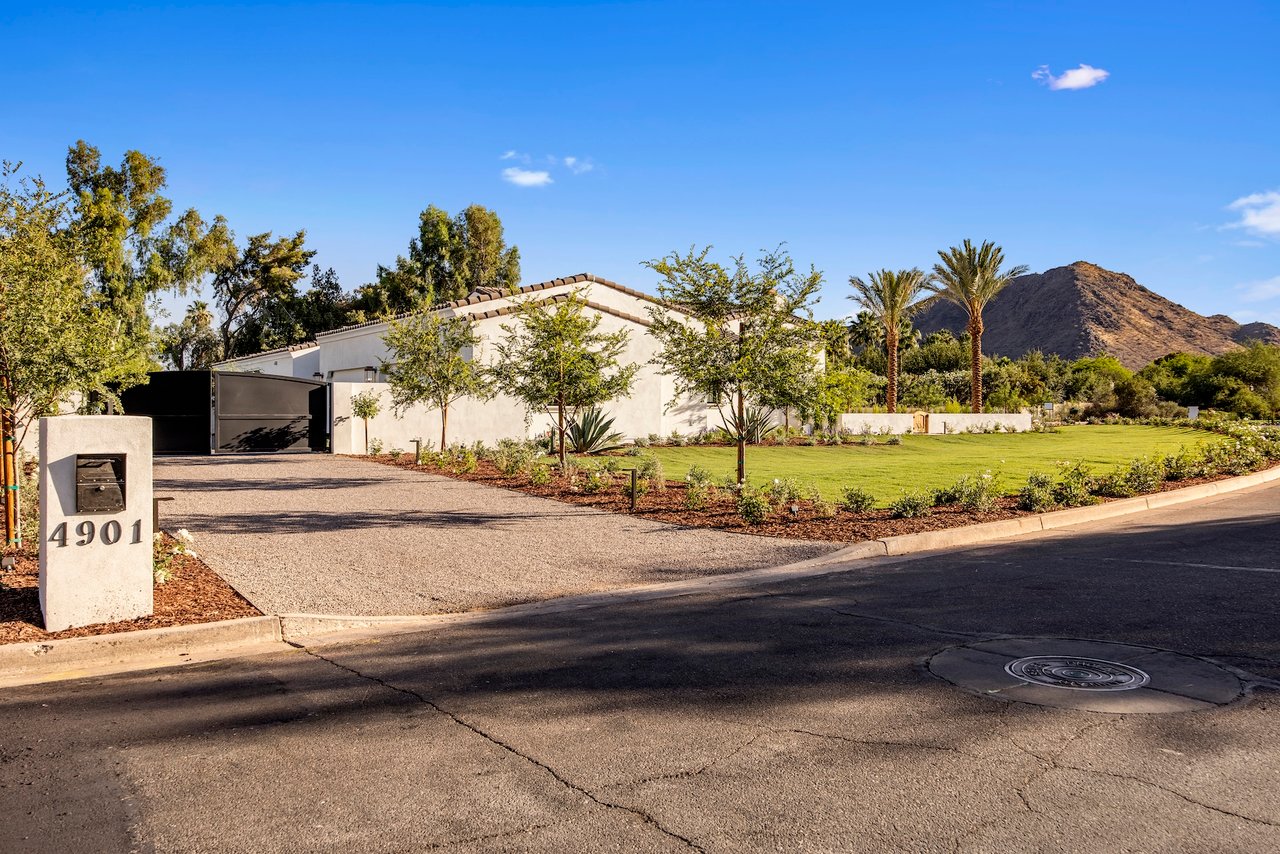
4901 E. Berneil Drive, Paradise Valley, AZ 85253
New Construction | Completion May 2026 Presale Pricing $ 8,920,000 (Learn More)6302 E. Alta Hacienda, Scottsdale, AZ 85251
Fully Remodeled | Completion July 2026 Presented at $ 8,755,000 (Learn More)Organic-Luxe™ begins with natural materials, thoughtful architecture, wellness-centered design, and a deep respect for the relationship between people and the built environment.
For private opportunities and luxury home representation:
Denise van den Bossche
Associate Broker | Legacy LEED AP | Realty Executives Arizona Territory, team Exec-Elite
602-980-0737 www.Exec-Elite.com